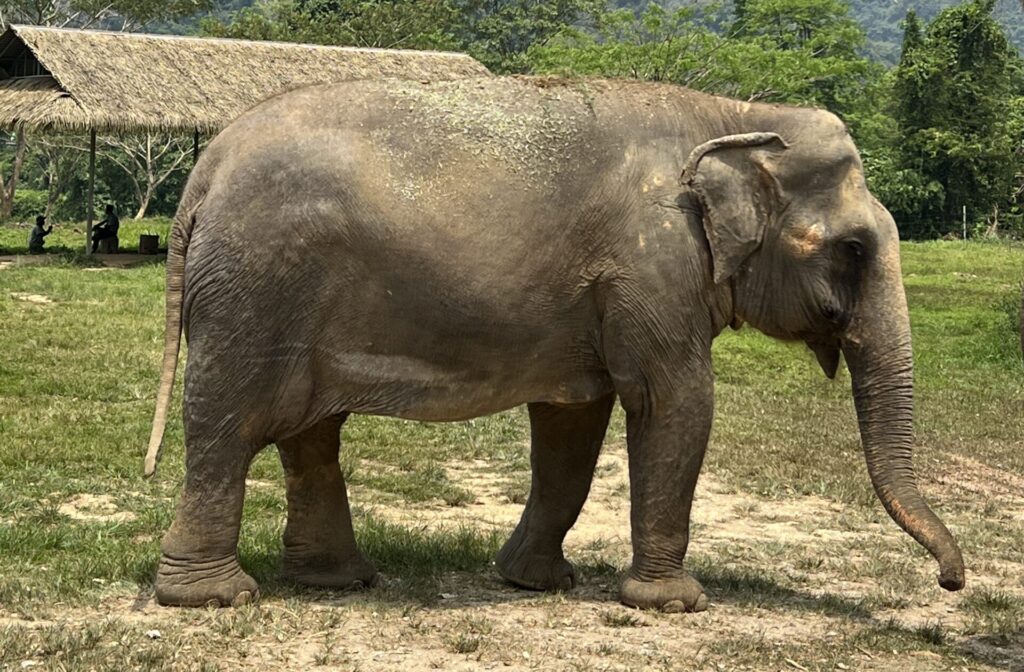
Seeing elephants in Thailand is on a lot of people’s bucket lists, and before my own trip, it
was something I’d wanted to experience for years as well.
But the more research I did beforehand, the more complicated it became.
At first glance, many elephant experiences in Thailand look incredible online. Beautiful
photos and close interactions with elephants. But once you start looking deeper, you quickly
realise that not all elephant tourism is ethical, even when places market themselves that way.
That was something I became very conscious of before booking anything.
I didn’t want to support an experience that prioritised entertainment over animal welfare, and
honestly, I think more travellers are starting to feel the same way now.
After a lot of research, I chose Elephant Hills, and it ended up being one of the most
memorable parts of my entire Thailand trip.
Why Ethical Elephant Tourism Matters
Thailand has a long history connected to elephants, but unfortunately tourism demand has
also led to a huge number of experiences that aren’t genuinely focused on animal welfare.
The difficult reality is that some activities tourists see as “normal” can actually involve stress,
mistreatment, or harmful training methods behind the scenes.
That’s why I think it’s so important to properly research elephant experiences rather than
simply booking the first one that appears online.
For me personally, there were certain things I knew I wanted to avoid entirely:
- elephant riding
- performances or tricks
- experiences where elephants seemed overly controlled for entertainment
- anywhere encouraging constant close-contact interaction purely for photos
Once you start paying attention to those details, it becomes much easier to separate true
ethical tourism from places simply using the word “sanctuary” as marketing.
Why I Chose Elephant Hills
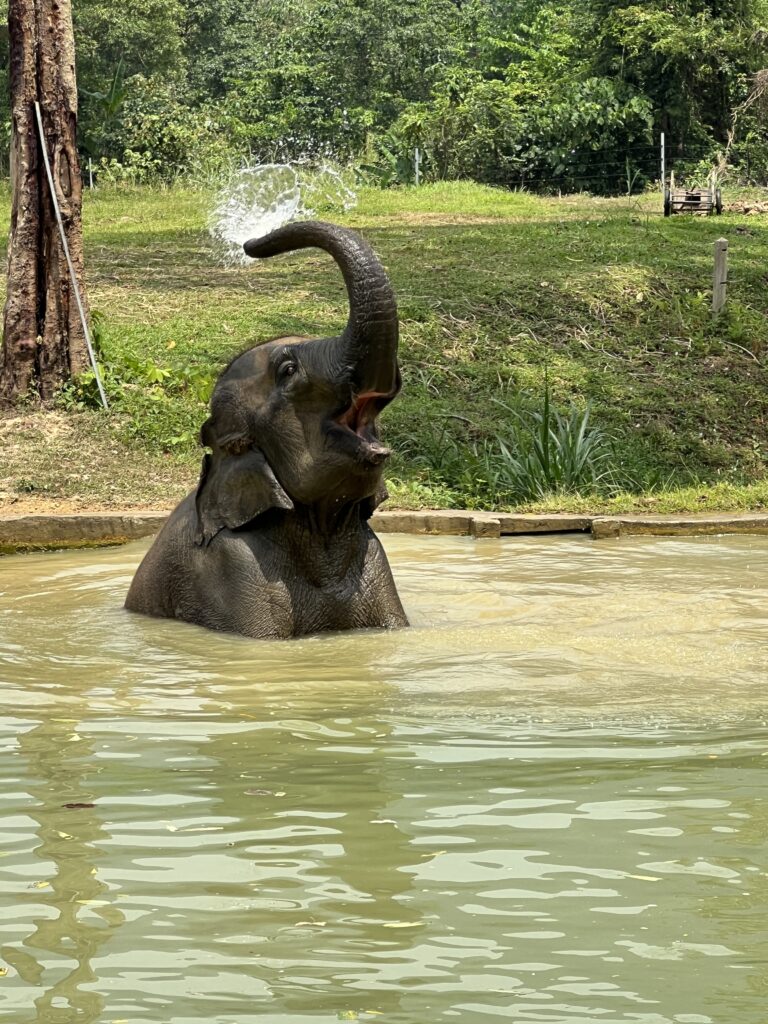
What stood out to me about Elephant Hills was that the experience felt centred around
education, observation, and respect rather than entertainment.
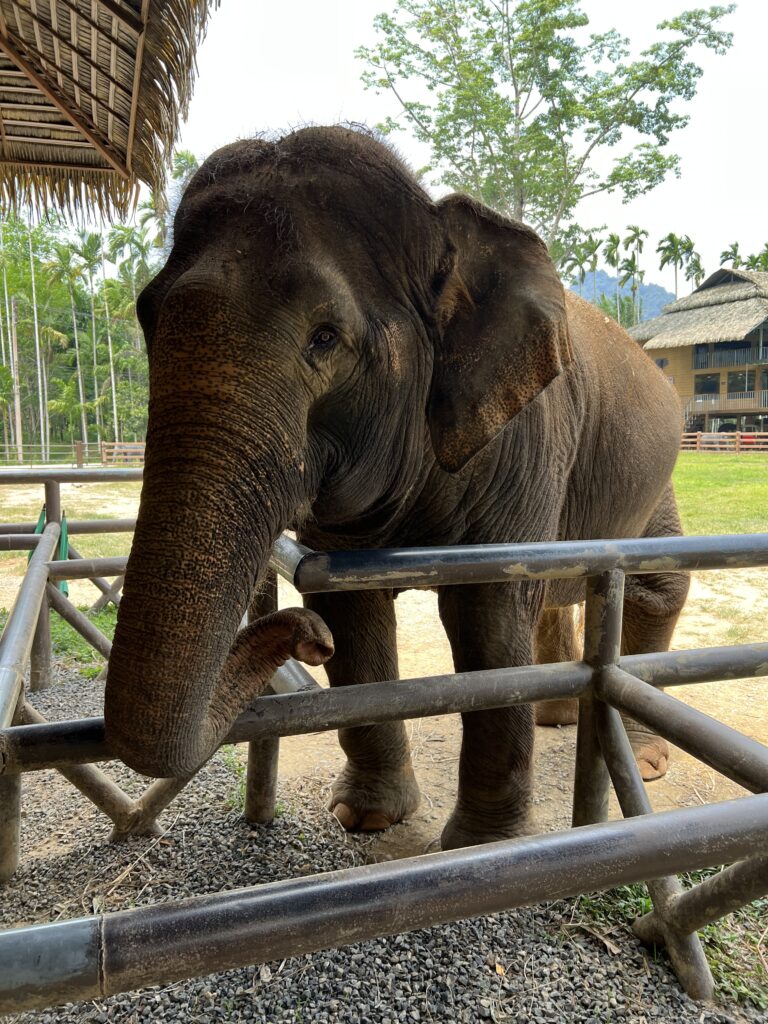
The elephants are not ridden, there are no circus-style performances, and the focus is much
more on learning about the animals, watching them in as close to their natural habitat as you
can get, and supporting responsible tourism practices.
That immediately felt very different from many other experiences I’d come across.
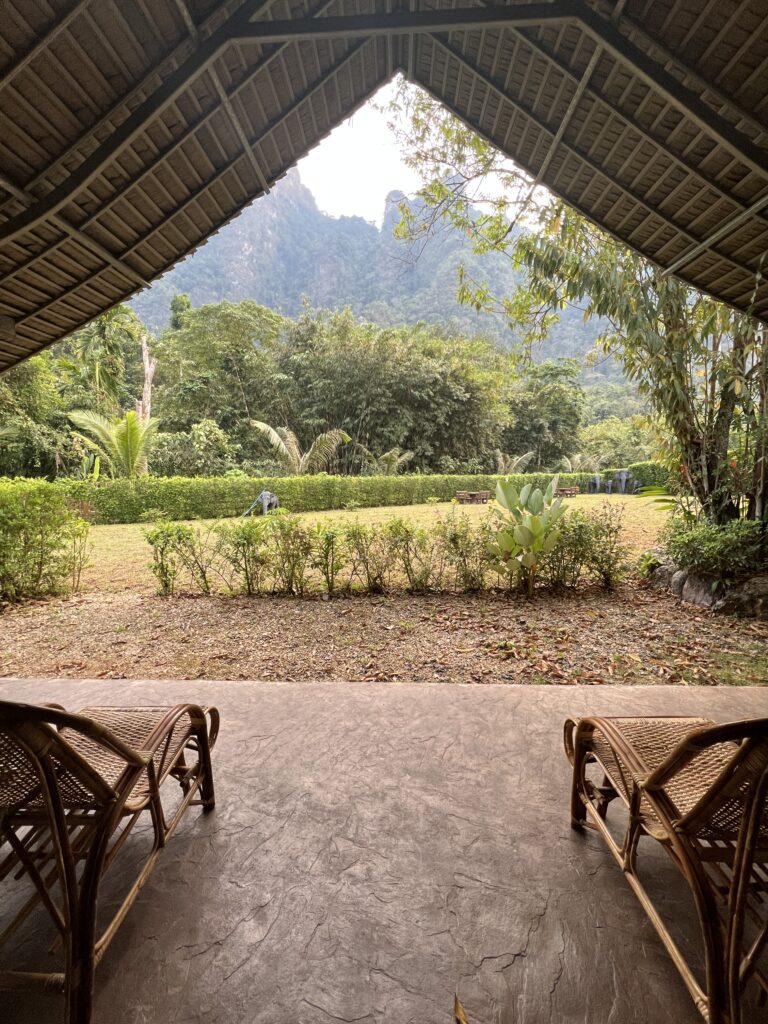
The setting itself also plays a huge role in the experience. Located within the incredible
surroundings of Khao Sok National Park, Elephant Hills feels much more immersive than
simply visiting an attraction for a few hours.
You stay in luxury safari-style tents surrounded by jungle, which somehow makes the whole
experience feel more connected to nature rather than staged for tourists.
The Experience Itself
One thing I really appreciated was that the interactions never felt rushed or performative.
Instead of feeling like you’re moving through a tourist production line, everything felt calmer
and far more respectful. There’s a genuine emphasis on understanding the elephants, their
behaviour, and the importance of ethical treatment.
It really does change the entire experience emotionally as well. Seeing elephants in an
environment where their welfare is clearly prioritised feels very different from simply ticking
an activity off a list for a photo.
That was probably the biggest thing I took away from the experience afterwards.
Questions I Think Travellers Should Ask Before Booking
Before booking any elephant experience in Thailand, I genuinely think it’s worth asking a
few important questions:
- Are the elephants ridden?
- Are performances involved?
- Is the experience focused mainly on entertainment?
- Does the organisation openly discuss welfare and conservation?
- Do the interactions feel respectful and controlled around the animals’ wellbeing?
If the answers feel vague or heavily focused on getting the “perfect photo,” that’s usually
worth paying attention to.
Why Ethical Travel Choices Matter
I think travellers sometimes underestimate how much influence tourism decisions actually
have. The experiences we choose to support financially help shape what kind of tourism
continues to grow. As demand for ethical wildlife tourism increases, it encourages more
responsible practices across the industry overall.
And honestly, choosing ethical experiences doesn’t mean sacrificing incredible memories
either. If anything, I’d argue the opposite. My time at Elephant Hills ended up being far more
meaningful because it felt responsible, respectful, and genuine.
Final Thoughts
Thailand is full of incredible experiences, but I genuinely think travellers should take the time
to properly research elephant tourism before booking anything.
Long after the beaches, hotels, and island hopping, Elephant Hills is still one of the parts of
Thailand I think about most.